WhjhWritten by: Meh Desmond Kum, Laurent Brice Nsengue, Chefor Ngwenyi Meungwe and Dr Vera Kum
EXECUTIVE SUMMARY
Agricultural entrepreneurial spirit plays an essential part in all economies. People must find ways to market their products more effectively. Some of these value chains are critical for farmers to make a profit and derive meaning from their products. As a result, the purpose of this report is to inform stakeholders about how to increase agricultural entrepreneurship in Cameroon, as well as to highlight some critical strategies required for the country’s long-term growth. To achieve sustainable agricultural growth in Cameroon, a multidimensional approach involving short-term support for farmers and long-term investments in infrastructure, policy reforms, and research is needed. This approach can improve livelihoods, contribute to food security, and drive economic growth. The success of this effort depends on stakeholder collaboration. Cameroon’s agricultural sector faces challenges due to out-dated policies and regulations. To promote sustainable growth, an updated policy framework, fiscal incentives, and a well-defined regulatory framework are needed. Public-private partnerships, private sector investment, collaboration with NGOs, and government support can increase agricultural productivity and competitiveness. Agricultural insurance is crucial for reducing risks and encouraging climate-resilient practices. Improved monitoring and evaluation mechanisms, including digitized data collection systems, are also essential for tracking progress and making informed decisions.
Keywords: Agricultural Entrepreneurship, Strategies, Sustainable Growth
Section 1: Introduction
1.1 Background on the Importance of Agriculture in Cameroon
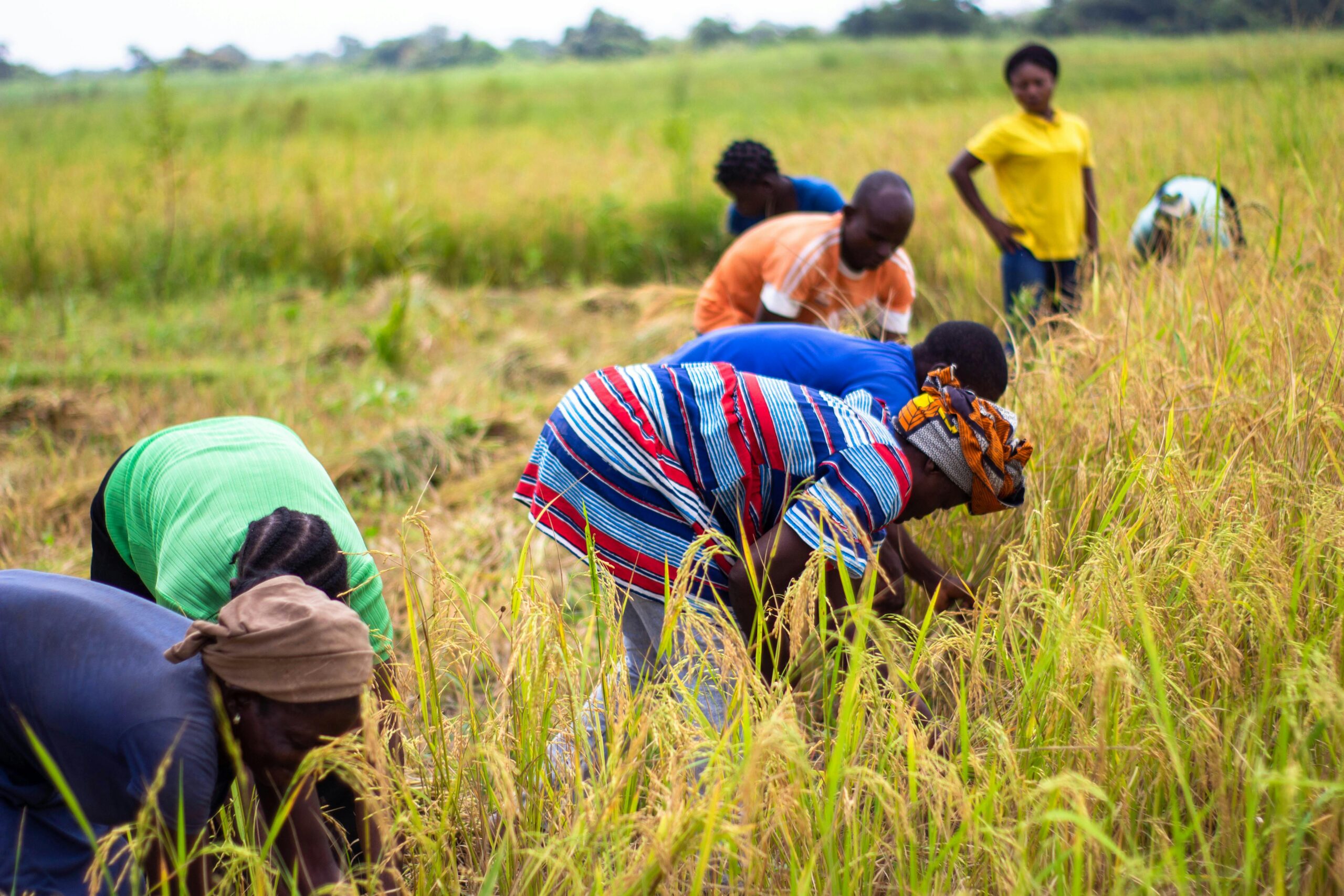
Agriculture is the backbone of the Cameroon economy, employing 80% of the labor force. It contributes 22.3% of GDP and 30% of export revenue (WWF,2020). The northern region relies heavily on the livestock sector. The primary goal of agricultural development is food security, which is impacted by globalization and climate change. Specialized regions have been established to boost crop productivity. However, the country’s agricultural development is systematized, with little technical assistance, more farmland, small commodity producers, low-income farmers, informal economic relations, manual labor, and difficult access to financing. In order to achieve sustainable development, agricultural production must be intensified while also promoting environmental and social sustainability. Technological advances, modern management practices, and increased soil fertility are critical. Cameroon’s agriculture, which employs 70% of the working population and accounts for 22.3% of GDP, is facing challenges from population growth, low capital investment, and climate change. To ensure food security, Cameroon must boost productivity, mobilize resources, and promote investment projects, (ANACIET, 2019).
Cameroon has not been able to meet the Comprehensive Africa Agriculture Development Programme’s (CAADP) 10% expenditure target, with agricultural spending at only 6.8% in 2013. In March 2013, the country joined the Scaling Up Nutrition (SUN) Movement, which aims to improve nutrition and address malnutrition. Cameroon is a signatory to the Africa Stockpiles Program, the Bamako Convention, the Central African Economic and Monetary Community (CEMAC), the Economic Community of Central African States (ECCAS), and the Inter-State Pesticides Committee of Central Africa. In addition, the country supports the Bamako Convention and the Central African Inter-State Pesticides Committee, (ZEF & IRAD, 2017).
Cameroon’s agricultural sector is critical to the country’s economy, accounting for 25% of GDP and half of non-oil export revenues. In 2019, it employed 60% of the working population and 46% of all employment. Despite its significant contribution, agricultural policy is relatively stable, with only 4.5% of the state budget allocated each year. The government has formed a Multi-Partner Committee to coordinate Oversees Development Assistance (ODA) activities, with assistance from the World Bank, IFAD, FAO, and the European Union, (Ndjidda et al., 2022).
1.2 Alignment with Agenda 2063 and the SDGs
Boosting agricultural entrepreneurship in Cameroon is crucial for achieving the country’s development goals, as outlined in the African Union’s Agenda 2063 and the United Nations’ Sustainable Development Goals (SDGs). This initiative aligns with Aspiration 1 of Agenda 2063, which aims to create a prosperous Africa based on inclusive growth and sustainable development, and several SDGs, including SDG 1, SDG 2, SDG 8, SDG 9, and SDG 12.By promoting agricultural entrepreneurship, Cameroon can increase economic growth, reduce poverty, and improve food security, while also creating jobs, stimulating economic growth, and improving working conditions for farmers and agricultural workers. Additionally, this initiative can increase investment in agricultural infrastructure, improve agricultural productivity, and enhance the competitiveness of Cameroon’s agricultural products.
The alignment of boosting agricultural entrepreneurship with Agenda 2063 and the SDGs has important policy implications for Cameroon, highlighting the need for policies that promote agricultural entrepreneurship, regional integration, and sustainable agricultural practices. By promoting agricultural entrepreneurship, Cameroon can make significant progress towards achieving its development goals and contributing to sustainable growth and development in the country.
1.3 Purpose, Scope and Structure of the Report
This report aims to provide information on boosting agricultural entrepreneurship in Cameroon, highlighting necessary strategies for sustainable growth. It is structured into sections covering the contextual analysis of Cameroon’s agricultural sector, strategies for boosting entrepreneurship, implementation and monitoring mechanisms, case studies of successful countries, and concludes with policy recommendations.

Meh Desmond Kum

Laurent Brice Nsengue
Mr. Nsengue Laurent Brice is an Assistant SBEC Manager at the Denis & Lenora Foretia Foundation. He holds a Master's degree in International Relations with a major in Regional Integration and Management of Community Institutions from the Institute of International Relations of Cameroon (IRIC), a Master's degree in Economics with a major in Public Policies and Sustainable Development and a Bachelor's degree in Economics with a major in Money, Banking and Finance.

Chefor Ngwenyi Meungwe

Dr Fuein Vera Kum is a Research Fellow at the Nkafu Policy Institute. She joined the institute as Economic Policy Analyst in 2017 with a focus on health economics and development policy. She holds a Ph.D in Economics from the University of Benin, Nigeria.





 Denis & Lenora Foretia Foundation | Catalyzing Africa's Economic Transformation