Introduction
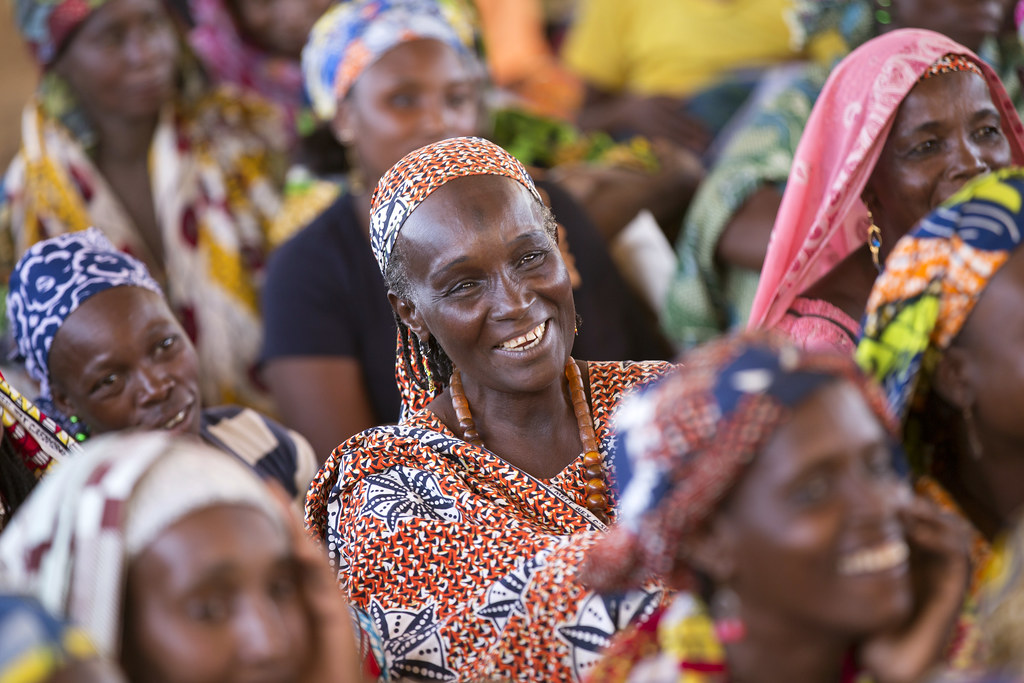
Cameroon is one of the most culturally diverse countries in Africa, with more than two hundred and eighty ethnic groups, each with unique traditions, languages, crafts and practices (Noudou Mbiakop, 2012). This diversity represents a rich heritage with strong economic potential if developed through sustainable cultural tourism. Women play a central role in this heritage, preserving crafts, oral histories, ceremonies and indigenous knowledge that are the foundation of authentic cultural tourism (Feldman Savelsberg, 1999). Yet, women have benefited little from tourism development. Most economic gains from the sector flow to male dominated businesses, while tourism itself contributes only a small fraction of Cameroon’s GDP, about 2.1 percent, far below the regional average of 4.8 percent (Njoh et al 2017).
Women have long been recognized as custodians of culture, creating an institutional base for women led cultural tourism initiatives that can transform cultural preservation into sustainable income (Rowlands, 2003). This approach aligns with global trends toward community-based tourism that prioritizes local ownership and authentic experiences. The cooperative model offers particular promise as it mirrors traditional African governance structures while adapting to modern market demands. This policy brief explains how women led cultural tourism cooperatives can drive economic empowerment and protect heritage while giving women more visibility as entrepreneurs.
Current Challenges in Cultural Heritage Preservation
Cameroon’s cultural heritage faces growing threats from urbanization, globalization and changes in education. Younger generations often leave rural areas for cities in search of formal jobs, creating gaps in knowledge transfer. Older women remain with valuable skills but limited markets for their crafts and practices. Land tenure has also shifted dramatically. In the past, women had rights to land for farming, craft production and ceremonies. Today, commodification and land grabbing reduce women’s access and weaken their cultural authority (Njoh et al., 2017). The school system adds to this problem by favoring Western knowledge while viewing indigenous knowledge as less valuable.
As a result, young women have little interest in learning traditional skills, even though these could form the basis of cultural tourism (Schmitz & Lekane Tsobgou, 2016). Economic marginalization worsens these issues. Traditional activities such as crafts, food processing, ceremonial services and farming bring very little income, even though they have strong cultural and market value.
Women also lack capital, modern tools and marketing channels, preventing them from turning cultural assets into profitable enterprises. Gender discrimination further excludes women from tourism planning and management (Nkealah, 2011). Although they are the keepers of the very culture that tourists seek, women are rarely part of decision making in the sector. Climate change and environmental degradation also threaten traditional practices tied to seasonal cycles and natural resources. The loss of biodiversity affects medicinal plant knowledge, while changing rainfall patterns disrupt agricultural ceremonies and food traditions that form core elements of cultural heritage.
Opportunities Through Cooperative Cultural Tourism
Despite these challenges, there are important opportunities in cultural tourism. Globally, demand for authentic experiences is growing. Tourists want more than sightseeing; they seek to connect with real traditions, communities and stories. Cameroon, with its central location in Africa and wide cultural range, is well placed to attract this market. Women have knowledge and practices that cannot be copied by outside operators. They can offer cooking lessons, craft workshops, ceremonies, storytelling and healing practices (Teboh, 2002). These experiences are unique and highly marketable. The cooperative model suits women because it allows them to pool resources, share risks and market their work collectively. Cooperatives reflect traditional governance, where women already play roles in collective decision making.
By joining forces, women can package diverse cultural skills into tourism products that benefit all members. Digital platforms and social media open new markets, allowing women’s cooperatives to reach international audiences directly, without depending on intermediaries who often take most of the profit (Ndé Fongang, 2023). This creates room for women to control their own narratives and income. The rise of sustainable tourism certification programs provides additional opportunities for women’s cooperatives to distinguish their offerings and command premium prices. International development funding increasingly supports gender-inclusive tourism initiatives, creating access to startup capital and technical assistance. Mobile payment systems and e-commerce platforms make it easier for rural women to receive payments from international visitors and manage their finances professionally.
Policy Recommendations
For women to benefit fully, Cameroon must develop supportive policies. A national program on cultural heritage tourism cooperatives should be established. It should provide training in cooperative governance, business skills, tourism service standards, digital marketing and financial management. Women also need startup funds, low interest loans and grants to invest in infrastructure, tools and marketing. Infrastructure development is equally important. Better rural roads, telecommunications and tourism facilities will help women in remote areas connect with markets.
Marketing and promotion should focus on creating strong platforms that allow women’s cooperatives to present authentic cultural products directly to global audiences. Partnerships with ethical tourism operators can strengthen these efforts. A framework for cultural heritage protection and fair benefit sharing is also necessary. Tourism should support rather than exploit cultural assets. Finally, networks of women’s cooperatives should be built to allow peer learning, resource sharing and stronger bargaining power. These networks will make women’s voices louder in national and international tourism discussions and create solidarity across communities.
Conclusion
Women led cultural tourism cooperatives offer a pathway to both cultural preservation and economic empowerment. They address gender inequities, protect traditions under threat and expand Cameroon’s underdeveloped tourism sector. The cooperative model allows women to build on their traditional roles while adapting to modern economic realities. With proper policy support in training, infrastructure, marketing, protection and networking, women can turn cultural knowledge into real opportunities. This will benefit not only women but also their families, communities and the nation at large. By giving women a stronger place in tourism, Cameroon can preserve its heritage while promoting inclusive development and creating sustainable livelihoods for future generations.
References
Bachange, E. G. (2020). Cultivating gender insensitive land tenure reforms and harvesting food insecurity in cameroon, sub-saharan africa. African Journal of Land Policy and Geospatial Sciences, 3(1), 67-79.
Feldman-Savelsberg, P. (1999). Plundered Kitchens, Empty Wombs: Threatened Reproduction and Identity in the Cameroon Grasslands. University of Michigan Press.
Ndé Fongang, C. (2023). Repairing Cultural and Museum Cooperation between Cameroon and Europe. Saarländische Universitäts-und Landesbibliothek.
Njoh, A. J., Ananga, E. O., Anchang, J. Y., Ayuk-Etang, E. M., & Akiwumi, F. A. (2017). Africa’s triple heritage, land commodification and women’s access to land: Lessons from Cameroon, Kenya and Sierra Leone. Journal of Asian and African Studies, 52(6), 760-779.
Nkealah, N. E. (2011). Challenging hierarchies in Anglophone Cameroon literature: Women, Power and visions of change in Bole Butake’s plays. University of Witwatersrand, Department of English (Thesis).
Noudou Mbiakop, N. (2012). Cultural diversification of tourism and their importance: case study: Cameroon.
Nyuykighan, M. D. (2025). African Women Chiefs as Partners in Regional Governance in Cameroon: The Case of “Nkunkuma” Marie-Louise Zoa. International Journal of English Language, Education and Literature Studies, 4(2), 594270.
Rowlands, M. (2003). Cultural heritage and the role of traditional intellectuals in Mali and Cameroon. In Elite Cultures (pp. 157-169). Routledge.
Schmitz, S., & Lekane Tsobgou, D. (2016). Developing tourism products and new partnerships through participatory action research in rural Cameroon. Geographical Research, 54(2), 143-152.
Teboh, B. A. (2002). Women and* change in the Cameroon grassfields: A social and economic history of Moghamoland, c. 1889–1960. University of California, Los Angeles.







 Denis & Lenora Foretia Foundation | Catalyzing Africa's Economic Transformation