
By Chefor Ngwenyi Meungwe
Introduction
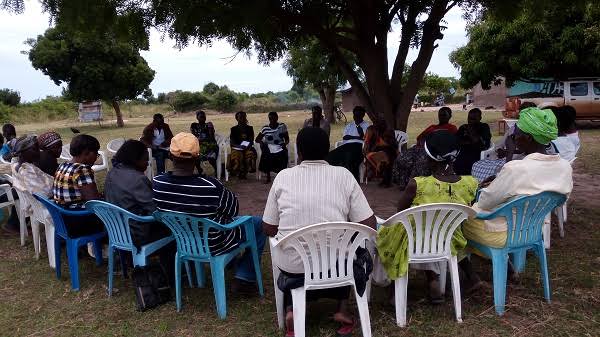
Cameroon’s indigenous financial systems have historically provided community-based solutions to capital accumulation and risk management challenges. Rotating credit circles in Cameroon demonstrate sophisticated and effective traditional mechanisms that have enabled communities to mobilize resources for both individual and collective development projects. These systems, known locally by various names including “tontines” and “njangui,” operate on principles of mutual trust, social accountability, and collective responsibility that have sustained communities for generations (Jumfongai & Thomas, 2022).
The strength of these traditional systems lies in their ability to function without formal collateral requirements, instead relying on social capital and community oversight to ensure repayment and responsible use of funds. The cultural foundation of these traditional financial systems provides important insights for developing modern financing mechanisms for youth entrepreneurship. Unlike formal banking systems that emphasize individual creditworthiness and asset-based lending, traditional savings circles operate on principles of collective responsibility and social solidarity, particularly relevant for youth entrepreneurs who may lack traditional forms of collateral but possess strong community connections and innovative business ideas. The aim of this brief therefore is to present the challenges, the opportunities and propose policy pathways for youth financing in Cameroon
Contemporary Challenges and Modernization Opportunities
The financing landscape for youth entrepreneurship in Cameroon is characterized by significant gaps between capital demand and supply. Alternative financing sources are crucial for the sustainability of Cameroonian startups, highlighting the limitations of traditional banking systems in serving emerging entrepreneurs (Zogning, Bityé, & Emile, 2022). Young entrepreneurs often rely on personal savings, family support, and informal lending networks, which are frequently insufficient for scaling business operations or investing in growth opportunities. The sustainability challenges facing youth startups are closely linked to inadequate financing mechanisms that fail to provide appropriate terms and conditions for emerging businesses.
Traditional lenders often impose rigid repayment schedules and high interest rates that do not align with the cash flow patterns of startup businesses. Additionally, the emphasis on collateral based lending excludes many young entrepreneurs who have not yet accumulated significant assets, creating structural barriers that innovative financing models could address. The modernization of traditional savings circles and rotating credit associations presents significant opportunities for creating sustainable financing mechanisms for youth entrepreneurship. Community based financial mechanisms can be effectively scaled and formalized without losing their core strengths, requiring careful attention to maintaining the social cohesion and mutual accountability that make traditional systems effective while introducing modern management practices and technological innovations (Chiyah & Forchu, 2010).
Regional Experiences and Digital Innovation
The experiences of other African countries in developing alternative financing models provide valuable insights for Cameroon’s policy development. Traditional rotating savings and credit associations can be successfully scaled and integrated with modern financial systems, requiring careful attention to maintaining the social bonds and accountability mechanisms that make traditional systems effective while introducing innovations that enhance accessibility and sustainability (Gugerty, 2007). The Kenyan experience demonstrates the importance of preserving social capital while introducing institutional innovations and highlights the importance of policy support for alternative financing models.
Government recognition of rotating savings and credit associations as legitimate financial institutions enabled these organizations to access technical assistance, training programs, and linkages to formal financial systems. Community based savings clubs often achieve higher savings rates and better loan repayment performance than formal microfinance institutions, with this success attributed to the social cohesion and mutual accountability that characterize these organizations (Van Wyk, 2017). The integration of digital technologies with traditional savings mechanisms offers significant opportunities for expanding access to financing for youth entrepreneurs. Digital platforms can enhance the effectiveness of traditional financial systems while maintaining their community-based character, requiring careful attention to social contexts and cultural practices, with technology serving to enhance rather than replace traditional social mechanisms (Ndandani, 2022). Mobile banking and digital payment systems can significantly reduce the transaction costs and administrative burden associated with traditional savings circles while enabling larger scale operations and facilitating record keeping, automating routine transactions, and providing transparency that enhances accountability.
Policy Framework and Economic Impact
The development of alternative financing models for youth entrepreneurship requires comprehensive policy frameworks that address regulatory, institutional, and capacity building dimensions. Successful alternative financing models require supportive policy environments that recognize the legitimacy and effectiveness of community based financial mechanisms while providing appropriate oversight and regulation (Dingue, 2005). Regulatory frameworks for alternative financing models must address the unique characteristics of community-based savings and credit systems, accommodating collective decision making processes, social collateral mechanisms, and community based risk management systems. This requires developing new regulatory categories that recognize the hybrid nature of modernized traditional financial systems while ensuring appropriate consumer protections and financial stability measures (Ejejigbe 2021).
The institutional development required for scaling alternative financing models involves creating intermediary organizations that can facilitate connections between traditional savings groups and modern financial services, providing technical assistance, capacity building, and linkages to formal financial systems while respecting the autonomy and cultural practices of community-based organizations. The economic impacts of alternative financing models for youth entrepreneurship extend beyond individual business success to encompass broader community development outcomes, mobilizing local resources for investment in youth led enterprises and creating multiplier effects that benefit entire communities while reducing dependence on external funding sources and contributing to building more resilient local economies.
Policy Recommendations
The government must establish a comprehensive regulatory framework that recognizes community based financial mechanisms as legitimate financial institutions while maintaining appropriate oversight. This framework should create new regulatory categories specifically designed for hybrid financial institutions that combine traditional social mechanisms with modern financial practices, focusing on outcomes rather than processes to allow flexibility in operational models while ensuring consumer protection and financial stability.
Financial sector authorities should develop specialized licensing procedures for alternative financing institutions that acknowledge their unique characteristics and operational models, streamlining the registration process for modernized traditional savings groups while establishing appropriate governance standards and reporting requirements. The Ministry of Finance should establish a dedicated fund to support the development of alternative financing models for youth entrepreneurship, providing seed capital for establishing modernized savings circles, technical assistance for institutional development, and capacity building programs for both organizers and participants. Government agencies should prioritize the development of digital infrastructure that supports alternative financing models while preserving their community-based character, including mobile banking platforms, digital payment systems, and data management tools that enhance efficiency and transparency of traditional savings mechanisms while remaining accessible to rural and marginalized communities.
Conclusion
The development of alternative financing models based on modernized traditional savings mechanisms represents a transformative opportunity to address the financing gap for youth entrepreneurship in Cameroon. The combination of traditional social capital with modern financial technologies and management practices can create sustainable financing mechanisms that serve the unique needs of young entrepreneurs while building on existing cultural strengths and community relationships. These models offer the potential to mobilize local resources, reduce dependence on external funding, and create more inclusive financial systems that serve marginalized populations. The successful implementation requires decisive policy action that addresses regulatory frameworks, institutional development, and capacity building, with evidence from across Africa demonstrating that traditional savings mechanisms can be successfully modernized and scaled without losing their core strengths when supported by appropriate policy environments and institutional support.
References
Chiyah, B. N., & Forchu, Z. N. (2010). The impact of microfinance institutions (MFIs) in the development of small and medium size businesses (SMEs) in Cameroon.
Dingue, P. (2005). Building inclusive micro-lending programs to support social and economic development in Cameroon. University of Massachusetts Lowell.
Ejejigbe, M. S. (2021). Exploratory study of interventions and challenges faced by indigenous NGOs supporting start-up businesses (established by young entrepreneurs) in Nigeria’s Niger-Delta region. University of Wales Trinity Saint David (United Kingdom).
Gugerty, M. K. (2007). You can’t save alone: Commitment in rotating savings and credit associations in Kenya. Economic Development and cultural change, 55(2), 251-282.
Jumfongai, V. D., & Thomas, N. D. (2022). The Role of Informal Financing on the Sustainability of Entrepreneurship in Kumba Municipality. International Journal of Economics & Business Administration (IJEBA), 10(2), 130-163.
Ndandani, M. (2022). The role of socially contextual mobile technologies in enabling the digital inclusion of female informal economy traders in Africa.
Tawah, S. STRANGERS AND FRIENDS: ROTATING CREDIT CIRCLES IN CAMEROON.
Van Wyk, M. M. (2017). Stokvels as a community-based saving club aimed at eradicating poverty: A case of South African rural women. The International Journal of Community Diversity, 17(2), 13.
Zogning, F., Bityé, M., & Emile, M. M. G. S. (2022). Alternative sources of financing and the sustainability of cameroonian start-ups. The Journal of Entrepreneurial Finance (JEF), 24(3), 120-136.









 Denis & Lenora Foretia Foundation | Catalyzing Africa's Economic Transformation