By Chefor Ngwenyi Meungwe (Download PDF)
Introduction
The global climate crisis poses significant social, economic, and environmental challenges, with women and marginalized groups experiencing its impacts most acutely. As temperatures rise and extreme weather events become more frequent, these changes threaten the livelihoods, health, and economic empowerment of vulnerable populations, particularly women in Sub-Saharan Africa. In Cameroon, agriculture—a sector where women form the majority of the workforce—has been heavily impacted by climate disruptions, leading to reduced crop yields, food insecurity, and income instability (Njoh et al 2018). Despite their critical roles in food production, Cameroonian women face persistent challenges due to restricted access to resources such as land, financial services, and adaptive agricultural technologies, which limit their ability to respond to climate-induced disruptions effectively (Njoh et al, 2018).
Given these intersecting challenges, advancing women’s economic empowerment is essential for promoting resilience and sustainable development in Cameroon. Addressing this issue requires a targeted, gender-sensitive approach, prioritizing women’s access to climate adaptation resources, capacity-building programs, and health services to enhance resilience. By ensuring that national climate adaptation policies include a gender-responsive framework, Cameroon can promote both economic stability and social resilience.
Impact of Climate Change on Women’s Economic Empowerment
- Agriculture
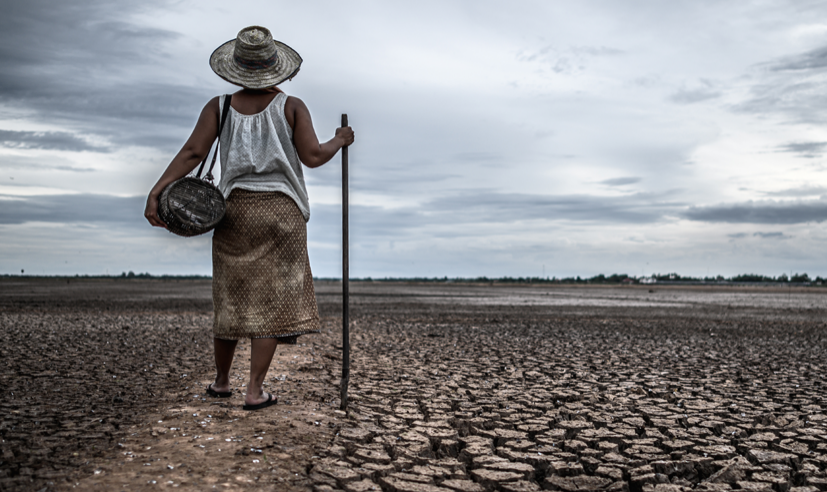
Women in Cameroon are central to agricultural production, contributing significantly to food security and rural economies (Ngum et al, 2021). However, climate change has intensified the challenges they face, particularly through altered rainfall patterns, droughts, and extreme weather events. These shifts are detrimental to crop yields, impacting both household food security and income (Nkengla et al 2017). Due to limited access to irrigation, resilient crop varieties, and advanced farming technologies, women are more vulnerable to climate variability, which restricts their ability to improve productivity and economic stability (Aguilar et al 2017).
- Health and Well-being
Climate change places an additional health burden on women in Cameroon, particularly in rural areas where access to healthcare is limited. Increasingly intense heatwaves and water scarcity force women to undertake longer journeys to collect water, exacerbating physical strain and raising risks of heat-related illnesses ( Buchenrieder et al , 2021). This added workload not only impacts their physical well-being but also contributes to mental health challenges, as women often bear responsibility for sustaining their households in increasingly volatile conditions (Ngum et al, 2021).
- Access to Resources
Gender inequalities in access to resources such as land, water, and financial services intensify women’s vulnerability to climate impacts. In Cameroon, traditional inheritance practices and legal barriers mean that women own significantly less land than men, limiting their ability to secure financial credit and invest in climate-resilient practices (Azong et al 2018). Additionally, climate-induced resource shortages—such as reduced water availability—disproportionately affect women, who are typically responsible for water collection, thus impeding their economic productivity and time allocation (Mbuli et al 2021).
- Migration and Displacement
Climate change has increased rural-to-urban migration as families seek stability following agricultural losses. This migration disproportionately affects women, who often lack social protection networks in urban settings, limiting their economic opportunities and increasing their exposure to exploitation and vulnerability (Huyer et al, 2022). Displacement disrupts community networks, which are traditionally sources of support, further isolating women and reducing their resilience to economic shocks.
Policy Recommendations
- Gender-Responsive Climate Policies
Cameroon’s climate policies must adopt a gender-sensitive lens to address the specific vulnerabilities of women. This includes prioritizing women’s needs in climate adaptation programs, establishing gender-based resilience targets, and actively involving women’s organizations in policy development processes. A gender-responsive approach in policy implementation would ensure that women have equitable access to climate adaptation resources and decision-making platforms
- Capacity Building for Women Leaders
Building the capacities of women leaders and community organizations is critical to promoting inclusive, grassroots climate adaptation strategies. Training and resources should be directed toward empowering women to influence policy decisions, advocate for gender equality, and foster community resilience. Women’s leadership in local climate adaptation can help to address unique community needs and amplify gendered perspectives in national adaptation frameworks
- Improved Access to Resources
Policies should be introduced to reduce gender-based disparities in access to critical resources. Reforms that enable equitable land ownership rights for women, alongside programs providing access to financial services and climate-smart agricultural tools, are essential for strengthening women’s economic resilience. Additionally, investment in water infrastructure would help alleviate the time and energy women spend on water collection, allowing them to engage in economic activities and education
Health and Social Services Support
Climate adaptation efforts must address the health consequences of climate change on women. Integrating mental and physical health services into climate policies will support women in adapting to climate impacts and managing the additional burdens they face. Establishing comprehensive social protection systems, including healthcare, maternity support, and mental health resources, is crucial for enhancing women’s ability to thrive under challenging climate conditions (Nkengla-asi 2021)
- Education and Training Programs
Expanding access to education and training programs focused on climate resilience, financial literacy, and entrepreneurship will help women diversify their income sources and reduce their dependence on climate-sensitive activities. Equipping women with the skills to adopt climate-smart agricultural practices and develop small enterprises strengthens household and community resilience to climate shocks.
Conclusion
The compounded impacts of climate change and gender inequality in Cameroon highlight the need for an inclusive approach to climate adaptation. Gender-responsive policies that promote equitable access to resources, capacity building, and health and educational services can significantly enhance women’s economic resilience and contribute to sustainable development. Empowering women economically is not only an ethical imperative but a strategic response to the growing climate challenges, ensuring that Cameroon’s most vulnerable populations are equipped to adapt and thrive.





 Denis & Lenora Foretia Foundation | Catalyzing Africa's Economic Transformation