Introduction
The Central African Economic and Monetary Community (CEMAC) represents one of Africa’s most underperforming regional integration projects despite significant structural advantages including a shared currency, harmonized trade regulations, and geographic proximity. Research indicates that CEMAC’s regional integration challenges are deeply rooted in structural and institutional limitations that constrain trade flows and economic cooperation (Fokum, 2023). Intra-regional trade within CEMAC accounts for barely 2% of total trade volume, representing the lowest performance among Africa’s regional economic communities and significantly underperforming compared to other regional blocs such as the West African Economic and Monetary Union (WAEMU) where intra-regional trade contributes substantially more to member countries’ economic activities (Hakobyan et al 2025). Within this constrained regional economic landscape, women cross-border traders emerge as a critical but systematically undervalued force in facilitating regional economic integration, despite facing numerous structural and institutional barriers that limit their potential contribution. Evidence from Central African regional studies indicates that women constitute the majority of informal cross-border trade participants, with their activities serving essential economic functions that formal trade mechanisms often fail to address (Njikam, 2011). Research on women’s informal cross-border trade in the Central Africa region demonstrates that these women play vital roles in regional food security, market integration, and economic development that operate largely outside formal statistical accounting and policy frameworks. Despite their economic significance, women traders face disproportionate barriers including complex documentation requirements, systematic harassment at border crossings, limited access to financial services, and complete exclusion from trade policy formulation processes that directly affect their livelihoods and business operations. This policy brief examines how empowering women traders through simplified cross-border procedures, digital documentation systems, and regional network building can strengthen CEMAC integration while creating pathways for women’s economic advancement and sustainable regional development.
Current State of Cross-Border Trade in CEMAC
The CEMAC region comprises Cameroon, Central African Republic, Chad, Republic of Congo, Equatorial Guinea, and Gabon, representing a market with significant economic potential that remains largely unrealized due to persistent structural and administrative barriers that particularly affect women traders. Research on the dynamics between regional integration and informal cross-border trade demonstrates that despite geographic proximity and shared institutional frameworks, CEMAC countries continue to face significant challenges in facilitating smooth cross-border trade flows (Fokum, 2023). Transportation infrastructure deficits significantly impact trade efficiency across the region, with inadequate road networks, limited railway connections, and poor telecommunications infrastructure creating particular challenges for small-scale traders who lack the resources to overcome these obstacles through alternative means. Border administration presents equally significant challenges, as complex bureaucratic processes, multiple documentation requirements, and lengthy clearance procedures create substantial transaction costs that disproportionately affect women traders who often lack formal education and institutional connections necessary to navigate these systems efficiently. Research on women’s cross-border trade along the Cameroon-Nigeria southwestern borders reveals that administrative barriers create systematic disadvantages for women traders who must invest significant time and resources in completing trade formalities that male traders often handle more efficiently through established networks and greater institutional familiarity (Sheneyeh et al., 2021).
The informal nature of women’s cross-border trade reflects both necessity and adaptation to systemic exclusion from formal trade regimes, where complexity, cost, and discriminatory practices push women traders toward informality, leading them to develop alternative systems based on social networks, trust relationships, and local knowledge that enable trade to continue despite institutional barriers. Studies of geo-strategic and historical linkages in cross-border trade demonstrate that women traders have developed sophisticated informal networks that leverage historical connections and cultural ties to facilitate trade flows that formal mechanisms often fail to support adequately (Ndip & Akara, 2020). These informal systems, while enabling trade to continue, also expose women traders to exploitation, limit their access to formal financial services, constrain business growth potential, and reduce government revenue from trade activities. Recent initiatives in some border areas have demonstrated the potential for improvement through simplified procedures and gender-sensitive approaches, though these remain limited in scope and require broader policy support for scaling across the region.
Women Traders’ Role in Regional Integration
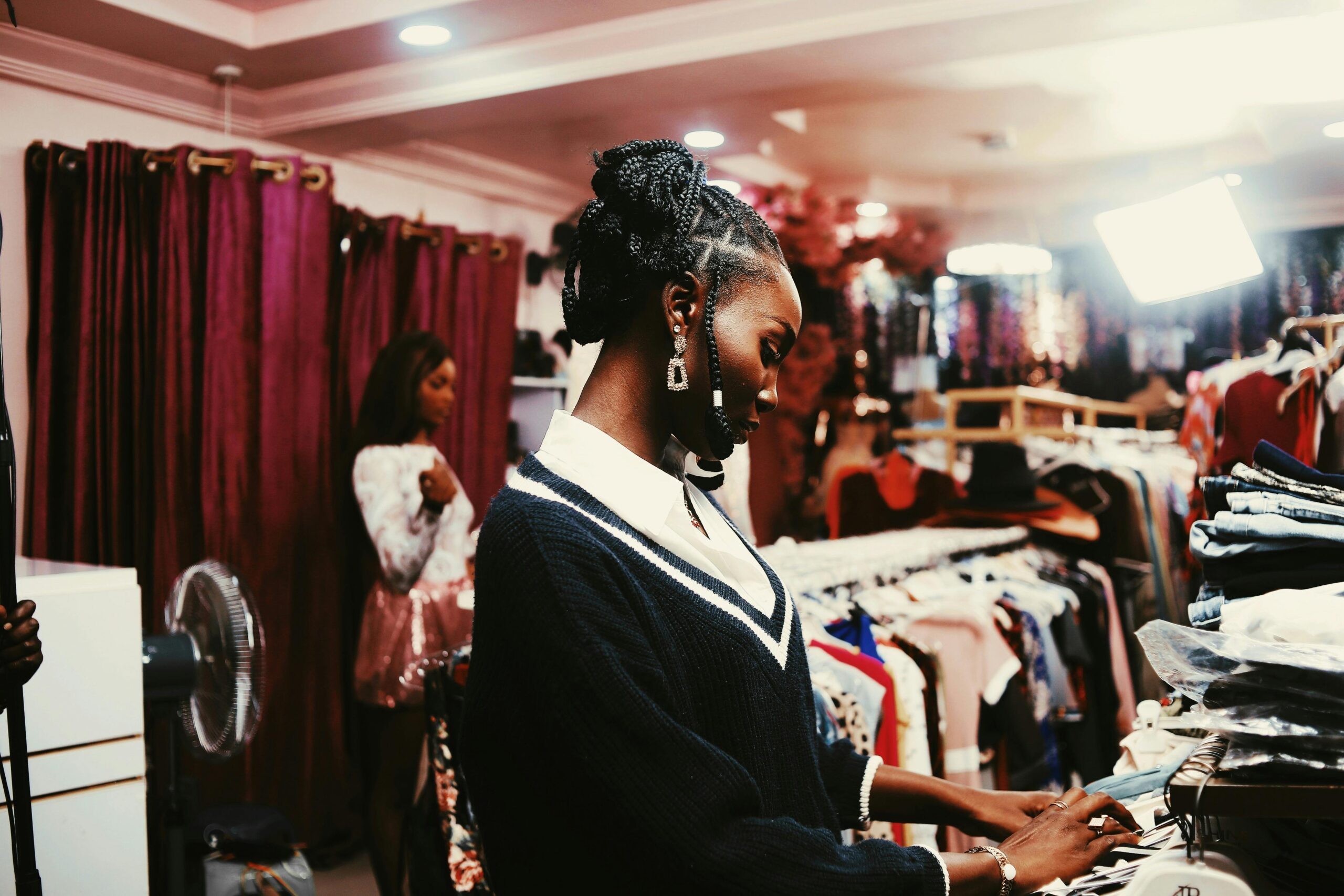
Women cross-border traders represent a vital but systematically undervalued force in CEMAC regional integration, serving multiple critical economic functions that extend far beyond simple commodity exchange and contribute significantly to regional economic development, social cohesion, and market integration processes. Research on women in informal cross-border trade within the Central Africa region demonstrates that these women provide essential market linkages between production zones and consumption centers, moving agricultural products from surplus areas to deficit regions while facilitating the distribution of manufactured goods from urban centers to rural markets in ways that formal trade mechanisms often fail to achieve effectively (Njikam, 2011). Their arbitrage function serves as a critical mechanism for regional market integration, as women traders respond to price differentials and supply shortages across borders, effectively creating informal regional value chains that connect producers and consumers across multiple countries while contributing to price stabilization and market efficiency.
Studies examining the nature and implications of informal cross-border trade by women demonstrate that their activities facilitate last-mile distribution in remote areas poorly served by formal retail networks, ensuring that essential goods reach marginalized communities that formal distribution systems often overlook or consider unprofitable to serve (Sheneyeh et al., 2021). This distribution function becomes particularly critical in regions where formal retail penetration remains limited, and women traders provide essential consumer goods through informal distribution channels that reach the most economically disadvantaged populations, contributing to poverty reduction and improved living standards. Research indicates that women traders serve as critical nodes in regional information networks, transmitting market information about prices, product availability, consumer preferences, and economic conditions across borders, creating informal communication systems that facilitate broader economic coordination and contribute to market efficiency throughout the region.
The social dimensions of women’s cross-border trade extend beyond economic transactions to include cultural exchange, social networking, and community building that strengthens regional integration at the grassroots level, creating bonds that transcend national boundaries and contribute to regional stability and cooperation. Evidence suggests that women’s informal cross-border trade activities contribute significantly to household income, food security, and community development, with many families depending on women’s trading activities for survival and economic advancement in contexts where formal employment opportunities remain limited. Studies focusing on the emerging role of women in informal cross-border trading under continental trade arrangements indicate that women’s participation in cross-border trade creates spillover effects that benefit broader communities through increased economic activity, knowledge transfer, and social capital development (Chiukira, 2024).
Barriers to Women’s Cross-Border Trade
Women cross-border traders in CEMAC face multiple interconnected barriers that systematically constrain their economic potential and limit their contribution to regional integration, creating a complex web of challenges that require comprehensive policy intervention to address effectively and sustainably. Documentation and regulatory barriers represent primary constraints, as research on empowering women in informal cross-border trade demonstrates that women traders must navigate complex bureaucratic processes that often require literacy levels, institutional knowledge, and financial resources that many lack, while facing discriminatory treatment from border officials who may question women’s capacity to engage in international trade or demand additional unofficial payments (Abayisenga, 2024). The multiplicity of required documents, fees, and procedures creates significant transaction costs that disproportionately affect small-scale women traders who lack the financial resources to hire intermediaries, legal advisors, or other support services that could help them navigate complex regulatory frameworks more efficiently.
Financial exclusion represents another critical barrier, as studies indicate that women traders face systematic discrimination in accessing formal financial services, with traditional banking institutions viewing women’s informal trade activities as high-risk ventures lacking acceptable collateral or credit histories, forcing women to rely on expensive informal financing mechanisms that limit their growth potential and expose them to exploitative lending practices. Research on the emerging role of women in informal cross-border trading highlights that limited access to trade finance constrains women’s ability to scale their operations, purchase larger inventories, invest in business development, or adopt new technologies that could improve their competitiveness and efficiency (Chiukira, 2024). Harassment and extortion at border crossings create both economic and psychological barriers for women traders, as studies document systematic demands for unofficial payments, sexual harassment, discriminatory treatment, and security risks that increase transaction costs while creating dangerous conditions that may deter women from engaging in cross-border trade or limit their mobility and business expansion plans.
Infrastructure limitations particularly affect women traders, who often lack access to reliable transportation, secure storage facilities, communication technologies, and market information systems that would enable them to operate more efficiently, safely, and profitably across borders while reducing their vulnerability to exploitation and market volatility. Studies indicate that market access constraints limit women’s ability to reach customers and suppliers, as they often lack the networks, information, resources, and institutional connections necessary to access formal markets or establish stable trading relationships with larger buyers, suppliers, or business partners that could facilitate business growth and integration into formal value chains.
Policy Recommendations
Addressing the multifaceted constraints facing women cross-border traders in CEMAC requires a comprehensive policy framework that simultaneously simplifies trade procedures, enhances financial inclusion, strengthens infrastructure, promotes gender equality in trade policy formulation, and creates supportive institutional environments that recognize and leverage women’s contributions to regional integration. Research on empowering women in informal cross-border trade suggests that the establishment of simplified trade procedures specifically designed for small-scale cross-border traders would significantly reduce transaction costs and administrative burdens, including the creation of streamlined documentation processes that consolidate multiple forms into single, user-friendly procedures that accommodate varying literacy levels and institutional familiarity (Abayisenga, 2024). Implementation of gender-sensitive border procedures should include training for border officials on non-discriminatory treatment, the deployment of female border officials at key crossing points, and the establishment of specific protections against harassment, extortion, and discriminatory practices that disproportionately affect women traders. Studies examining gender dimensions of trade facilitation indicate that preferential treatment mechanisms for women traders, including reduced fees, expedited processing for small-scale shipments, and dedicated service windows, can significantly improve women’s access to formal trade channels while reducing the costs and risks associated with informal trading practices. Digital transformation initiatives should prioritize women’s participation through targeted digital literacy programs that enable women traders to utilize electronic documentation systems, mobile payment platforms that reduce reliance on cash transactions and associated security risks, and digital market platforms that connect women traders directly with customers, suppliers, and business partners across the region. Financial inclusion initiatives must address the specific needs and constraints of women cross-border traders through the development of specialized trade finance products designed for small-scale informal traders, including microfinance schemes with flexible collateral requirements, group lending mechanisms that leverage social capital, and mobile banking services that enable secure cross-border transactions without requiring access to traditional banking infrastructure. Research on women’s empowerment in trade contexts suggests that the establishment of women-only credit cooperatives, savings groups, and financial literacy programs can significantly improve women’s access to capital while building their capacity to manage business finances more effectively.
Infrastructure development should prioritize improvements that specifically benefit women traders, including the construction of secure storage facilities at border crossings where women can safely store goods during processing, the development of women-friendly transportation services that provide safe and affordable transport options, and the improvement of communication infrastructure that enables women to coordinate with customers and suppliers across borders while accessing market information and business development support. Regional coordination mechanisms should ensure women’s meaningful participation in trade policy formulation through the establishment of women trader associations that can advocate for policy changes, represent women’s interests in regional trade negotiations, and provide platforms for knowledge sharing and collective action among women traders across the region.
Conclusion
Empowering women cross-border traders in CEMAC represents both a fundamental human rights imperative and a critical economic necessity that could significantly enhance regional integration while promoting gender equality, sustainable development, and inclusive economic growth across Central Africa. The systematic barriers that constrain women’s participation in cross-border trade not only limit individual economic opportunities and perpetuate gender inequalities but also undermine broader regional integration efforts by preventing the full realization of trade potential, market efficiency, and economic cooperation that women’s activities could facilitate. By recognizing women traders as central agents of regional economic integration rather than marginal actors operating outside formal policy frameworks, CEMAC countries can unlock significant untapped economic potential while promoting more inclusive, equitable, and sustainable development patterns that benefit all segments of society. The policy interventions outlined in this brief would create an enabling environment for women’s cross-border trade that could transform regional economic dynamics, increase intra-regional trade flows, strengthen market integration, and provide a foundation for deeper regional cooperation and integration. By supporting and empowering traders through comprehensive policy reform, institutional strengthening, and targeted interventions, CEMAC can build regional integration from the bottom up while ensuring that the benefits of integration are shared more equitably across gender lines, economic sectors, and social groups. The transformation of women’s cross-border trade from an informal survival strategy to a recognized and supported component of regional economic development represents a critical step toward more inclusive, sustainable, and effective regional integration in Central Africa that recognizes and leverages the contributions of all participants in regional economic processes.
References
Abayisenga, M. C. (2024). Empowering Women in Informal Cross-Border Trade: Challenges and Opportunities in Developing Countries.
Chiukira, L. (2024). The emerging role of Women in Informal Cross-Border Trading in Africa under the African Free Continental Trade Area. Journal of African Union Studies, 2024(si1), 51.
Fokum, V. Y. (2023). Dynamics between Regional Integration and Informal Cross Border Trade and Its Applicability: The Case of Cameroon and Equatorial Guinea. Open Journal of Social Sciences, 11(3), 395-409.
Hakobyan, S., Hesse-Triballi, F., Meleshchuk, S., & Weisfeld, H. (2025). Unleashing the Benefits of Intra-African Trade Integration for the WAEMU.
Ndip, T. J., & Akara, D. T. (2020). Geo-Strategic and Historical Linkages as Major Factors for the Growth of Female Trans-border Trade Along the Mamfe-Ekok-Ikom Corridor between Cameroon and Nigeria, 1988–2016. East African Journal of Interdisciplinary Studies, 2(1), 28-38.
Njikam, O. (2011). Women in informal cross-border trade: Evidence from the Central Africa Region. African Journal of Business Management, 5(12), 4835.
Sheneyeh, I. A., Abonge, C., & Fonjong, L. (2021). Rethinking the Nature, Implications and Challenges of Informal Cross Border Trade by Women from Cameroon across the Cameroon-Nigeria Southwestern Borders. Open Journal of Social Sciences, 9(10), 248-266.
Onyango, A. A., & Otieno Juma, T. (2025). Africa’s Regional Integration; from Organization of African Unity (OAU) to African Union (AU).





 Denis & Lenora Foretia Foundation | Catalyzing Africa's Economic Transformation