

Top 5 Trends in Digital Health in Africa
By Odette Kibu* and Denis Foretia** Technology has affected a wide range of sectors in our society, including agriculture, economic, education and socio-political sectors, positively. Digital technologies have transformed the way people work, shop, and socialize. The advantages of digital technology are used by healthcare providers and they have begun deploying digital tools to better understand and serve their patients. Digital health is defined as the merging of digital and genomic technologies with health,healthcare, living, and society to enhance the efficiency of healthcare delivery and make medicines more personalized and precise(1). The convergence of science and technology in our dynamic [...]
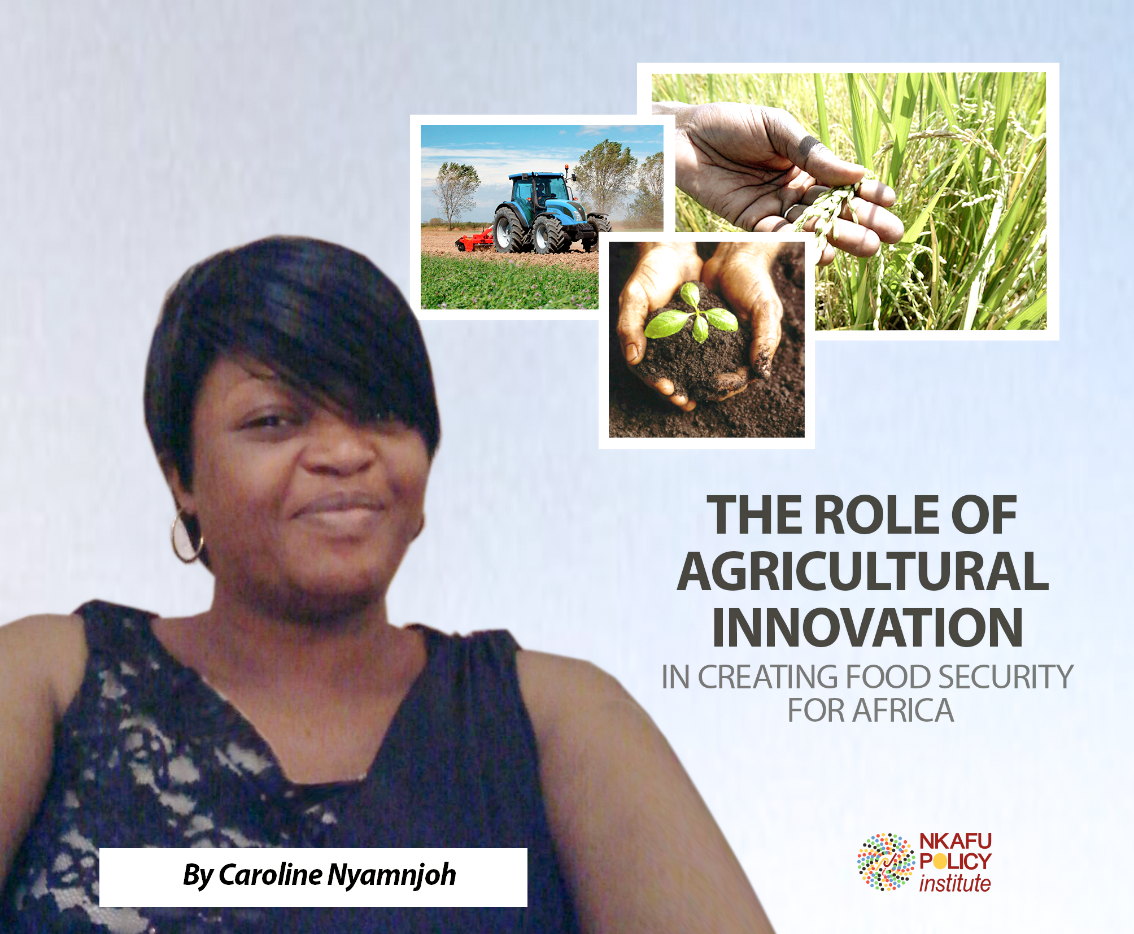
The Role of Agricultural Innovation in creating Food Security for Africa
By Caroline Nyamnjoh, MA Poverty and hunger are on the rise in Africa despite its abundant land mass and quite a large farming population. Africa still has a high population of poor and hungry citizens, who suffer from food insecurity, malnutrition and chronic hunger. Agriculture being the backbone of most developing economies in Africa holds pregnant solutions to food insecurity and a spectrum of deficiency diseases affecting Africa .The sustenance, growth, development and productivity of man depends on what he eats. In order to meet the ever increasing population of Africa. However this potential has not been tapped enough to [...]

Non-communicable diseases in Cameroon – A growing threat to human capital
With a GDP of approximately US$ 29.2 billion and a GDP growth of 6.2% in the year 2015 (World Bank 2016), Cameroon, a LMIC (Low and Middle Income Country) with a rapidly increasing population is experiencing steady economic growth. This growth over the last few years has stimulated an increase in urbanization, with 57.6% of the 23.3 million population currently living in urban areas (Echouffo-Tchegui and Kegne 2011). Rapid urbanization and a transition from agrarian life to the wage-earning economy of city life are fuelling a potentially negative impact on health behaviors. These socio-economic changes have exposed Cameroon to the [...]

The Bird Flu Virus in Cameroon – What You Need to Know
By Tah Tabod, MPH., After an 8 year absence in Cameroon, the Highly Pathogenic Avian Influenza (HPAI) A (H5N1) Virus, or Bird Flu virus as it is commonly referred to, has emerged from the shadows to take centre stage among the public health issues the country is currently facing. The Cameroon National Veterinary Laboratory (LANAVET) confirmed that the virus killed 15,000 chickens at the government-owned and largest poultry farm at Mvog-Betsi in the country’s capital – Yaoundé on 22nd May 2016. The complex hosted 33,000 chickens and, in a bid to stop the further spread of infection, the government moved [...]

Mobile Health for the prevention and control of Non-Communicable Diseases in Developing countries
By Julienne Stéphanie Nouetchognou, MPH Abstract: Mobile phones are the most rapidly adopted technology in the world. For all of us who work in global health prac oners the ques on remains: how can we leverage the power of mobile phones to advance global health goals? This ques on becomes even more per nent when we look at the poten al use of mobile technology to prevent and control Non-Communicable Diseases (NCDs). With the high penetration of mobile phones, this represents an enormous opportunity to develop and test speci c projects for the prevention and control of NCDs. As more than [...]
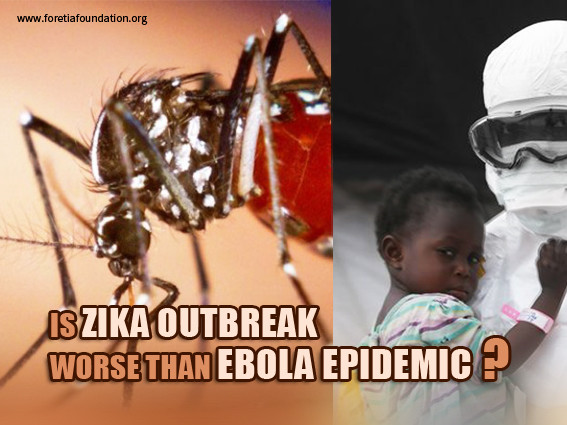
Is Zika Worse Than The Ebola Epidemic?
By Julienne Stéphanie Nouetchognou, MPH Introduction A committee of the World Health Organi- zation has declared the Zika virus a global public health emergency. This designation gives WHO and member states the ability to recommend limits on travel in an effort to prevent the potential spread of disease, as well as being empowered to call for emergency measures and resources to combat an outbreak. The last time WHO used this mechanism was during the recent Ebola crisis in West Africa. Several health experts claim that the Zika virus outbreak in Latin America could be a bigger threat to global health than the Ebola epidemic in Africa. But [...]

Ebola virus – Vaccine Development and Prospects for a Recurrent Outbreak
By Kareen Atekem The West African Ebola outbreak on March 23, 2014 is one of the morerecent epidemics raising public health concerns and instilling global fear. Since the occurrence of this outbreak,the public health sector in many countries, including those that have never reported a single case, have been compelled to reinforce and strengthen their infection surveillance systems. With a case fatality rate of 90% (Northern Zaire subtype) and 50% (South Sudan subtype), (1) there is the urgent need to immunize susceptible populations to minimize the risk of disease resurgence. Although Ebola-affected nations have recently been declared “Ebola-free” by the [...]
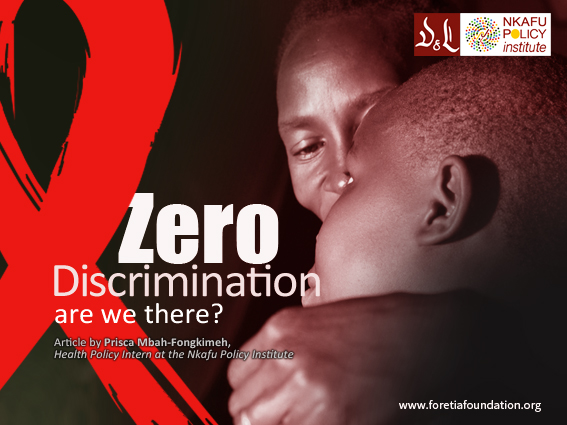
Zero Discrimination, Are We There?
By Prisca Mbah, MPH Although HIV/AIDS is a manageable disease, related stigma and discrimination is still a major public health problem.Discrimination against people living with HIV/ AIDS (PLWHA) in the areas of employment, education, individual liberties, access to medical care, social security, access to bank loan, insurance, is observed in various settings, Cameroon included. is slowed the potential of the national AIDS control committee to achieving its goal of “Zero Discrimination” in 2015. Cameroon’s future response to AIDS related discrimination requires strong political commitment and the allocation of financial resources at all levels. INTRODUCTION As soon as the Acquired Immuno-De [...]

Drug Resistance: A Nightmare For The Fight Against Tuberculosis in Cameroon
By Kareen Atekem, MPH [dropcap type="circle" color="#FFFFFF" background="#8C212A"]T[/dropcap]uberculosis (TB), a disease caused by the organism Mycobacterium tuberculosis, and transmitted through infectious droplets, remains one of the world’s deadliest communicable diseases. According to the latest WHO data on TB published in May 2014, Cameroon was ranked 25th in the world, with TB related deaths reaching 2.89%, or 6,267 in total. According to the Cameroon National Tuberculosis Strategic Plan for 2010-2014, the population aged fifteen to forty-four years (the economically active group) is the one most affected by TB. Per WHO guidelines, treatment of TB requires a period of six months whereby [...]
La résistance aux médicaments: un obstacle à la lutte contre la tuberculose au Cameroun
Par Kareen Atekem, MPH [dropcap type="circle" color="#FFFFFF" background="#8C212A"]L[/dropcap]a tuberculose (TB), une maladie causée par l'organisme Mycobacterium tuberculosis, et transmise par des gouttelettes infectieuses, demeure l'une des plus meurtrières maladies transmissibles dans le monde. Selon les dernières données de l'OMS sur la tuberculose publiées en mai 2014, le Cameroun a été classé 25ème dans le monde, avec une mortalité spécifique atteignant 2,89%, soit 6267 décès au total. Selon le Plan stratégique national de lutte contre la tuberculeuse au Cameroun pour la période 2010-2014, la population âgée de 15 à 40 ans (tranche d’âge active de la population) est la plus touchée [...]



 Denis & Lenora Foretia Foundation | Catalyzing Africa's Economic Transformation